
By Quentin, CBD hemp farmer – updated October 2026
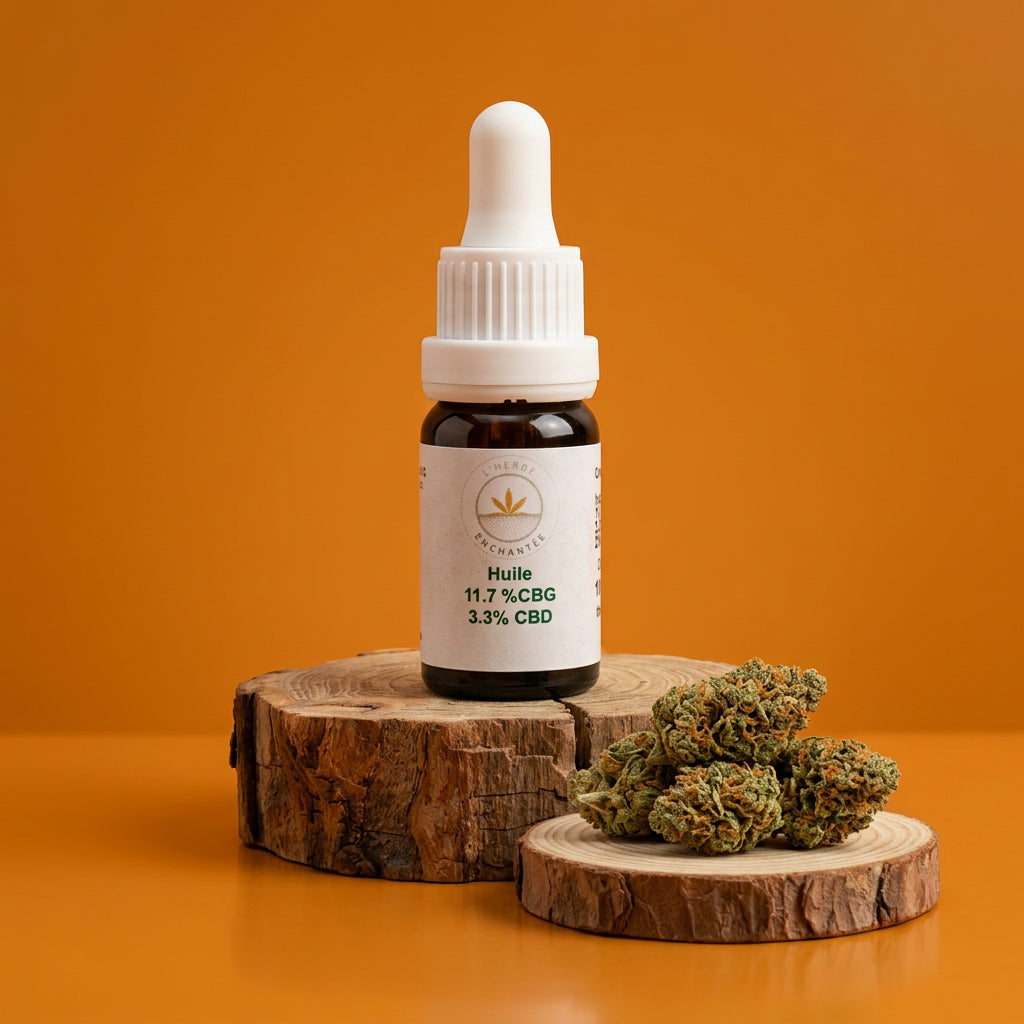
Since 15 May 2026, France has strictly applied the EU Novel Food regulation: CBD food oils, herbal teas, sweets, capsules and other CBD products meant to be ingested can no longer be sold. Here is what has changed, what remains authorised, and what it means for our farm.
The essentials in 30 seconds
- Since 15 May 2026, the sale of CBD food products has been banned in France.
- The reason: CBD is considered a "novel food", which must be authorised by the European Union before it can be sold. No authorisation has been granted so far.
- What remains legal: CBD flowers and resins, cosmetics for use on the skin, and e-liquids.
- CBD itself is not banned: only its use in food is.
What happened
This is not a new law. The EU Novel Food regulation (EU 2015/2283) requires prior authorisation for any food that was not consumed to a significant degree in the Union before 15 May 1997. Hemp extracts containing cannabinoids have been classified under it since 2019. Until now, France tolerated the sale of these products.
On 15 April 2026, France's Directorate General for Food (DGAL) told industry representatives that it would apply the regulation to the letter, with a control plan that came into force on 15 May 2026, with no grace period to sell off stock. This tightening follows an opinion published by EFSA (the European Food Safety Authority) on 9 February 2026, which set a provisional safe intake of about 2 mg of CBD per day for a 70 kg adult.
What is banned and what remains authorised
| Banned from sale | Still authorised |
|---|---|
| CBD oils for food use (sublingual or added to food) | CBD flowers, legal since the Conseil d'État's decision of December 2022 |
| CBD infusions and herbal teas, including blends with flowering tops | CBD resins (dry sift, bubble hash, rosin) |
| CBD sweets, gummies, chocolates, biscuits | CBD cosmetics for use on the skin (creams, balms, massage oils) |
| CBD capsules and food supplements | CBD e-liquids |
| CBD drinks, syrups, waters | Hemp seeds and their derivatives (seed oil, flour) |
The criterion is simple: a product meant to be ingested that contains CBD falls within the ban. Our flowers and resins are not food products and are not meant to be ingested.
My view on this decision
I will be honest: this decision makes me angry. Not because it threatens our farm, which lives mainly from flowers, but because of what it reveals.
Exemptions from the Novel Food regulation do exist, but they require a heavy, costly technical dossier that only large companies can afford. As the Confédération paysanne (a French farmers' union) pointed out, this mechanically favours industrial players over small growers and short supply chains. For its part, the Union des professionnels du CBD estimates that more than 2,000 specialist shops are under threat, with CBD food products accounting for nearly 40% of the market.
That said, the regulation exists, it applies, and it is not my place to get around it. My role is to inform you clearly.
What it changes for L'Herbe Enchantée
The heart of our business has always been CBD flowers grown in living soil, and products made from them such as bubble hash and dry sift. These products are not affected by the ban.
However, until now we offered three infusions, Morphée, Aphrodite and Aergie, which blended aromatic plants with hemp flowers. They fall within the ban, so we have withdrawn them from sale. It is a decision that costs me, but I would rather tell you plainly than keep selling them and hope not to be inspected.
What next?
Things may change: if a Novel Food application were approved at EU level, some products could return to the market. But given EFSA's very strict opinion, that seems unlikely in the short term.
In the meantime, I remain convinced that the future of our sector lies in the quality of the raw product, transparency about growing practices and a direct relationship with you. A beautiful flower grown with care, a craft hash made cold: that is where I put all my energy. Find them in our CBD flowers and hash collections.
To find out everything about the legal framework for CBD, read our article is CBD legal in France?
Frequently asked questions
Is CBD oil banned in France?
Yes, for food use (sublingual or added to food) since 15 May 2026. Oils for cosmetic use, applied to the skin, remain authorised.
Are CBD herbal teas still on sale?
No. CBD infusions and herbal teas, including those containing hemp flowering tops, have been banned from sale since 15 May 2026.
Are CBD flowers affected?
No. CBD flowers and resins containing less than 0.3% THC remain legal. They are not food products.
This article does not constitute legal advice.
CBD products are not medicines and are for adults only.
Quentin, CBD hemp farmer – L'Herbe Enchantée


